
There’s something wonderful about the sea in September.
My drive around Kurahashi Island near Kure, Hiroshima, wasn’t a grand sightseeing expedition. I just wanted to enjoy the coast, find something good to eat, walk around Katsurahama Beach and keep going if another view caught my attention.
It turned into exactly the kind of quiet holiday I like: fresh sashimi, beautiful water, a surprising mountain of salt, a bit of maritime history, shaved ice and one more bridge.
My relaxed Kurahashi Island driving route
Starting from the Hiroshima side, I drove through the Ondo area toward Kurahashi Island, passed the large imported salt storage area at Mitsukojima Wharf, stopped for lunch at Oshokujidokoro Kazu, visited Katsurahama, then drove farther south to Kashima Bridge.
This is a slow seaside day trip, not an itinerary that needs to be completed at speed.
Setting off toward Kurahashi with a clear blue sky
The sky was lovely that morning. Once I passed through Ondo and continued toward Kurahashi, the coastline started to come closer to the road.
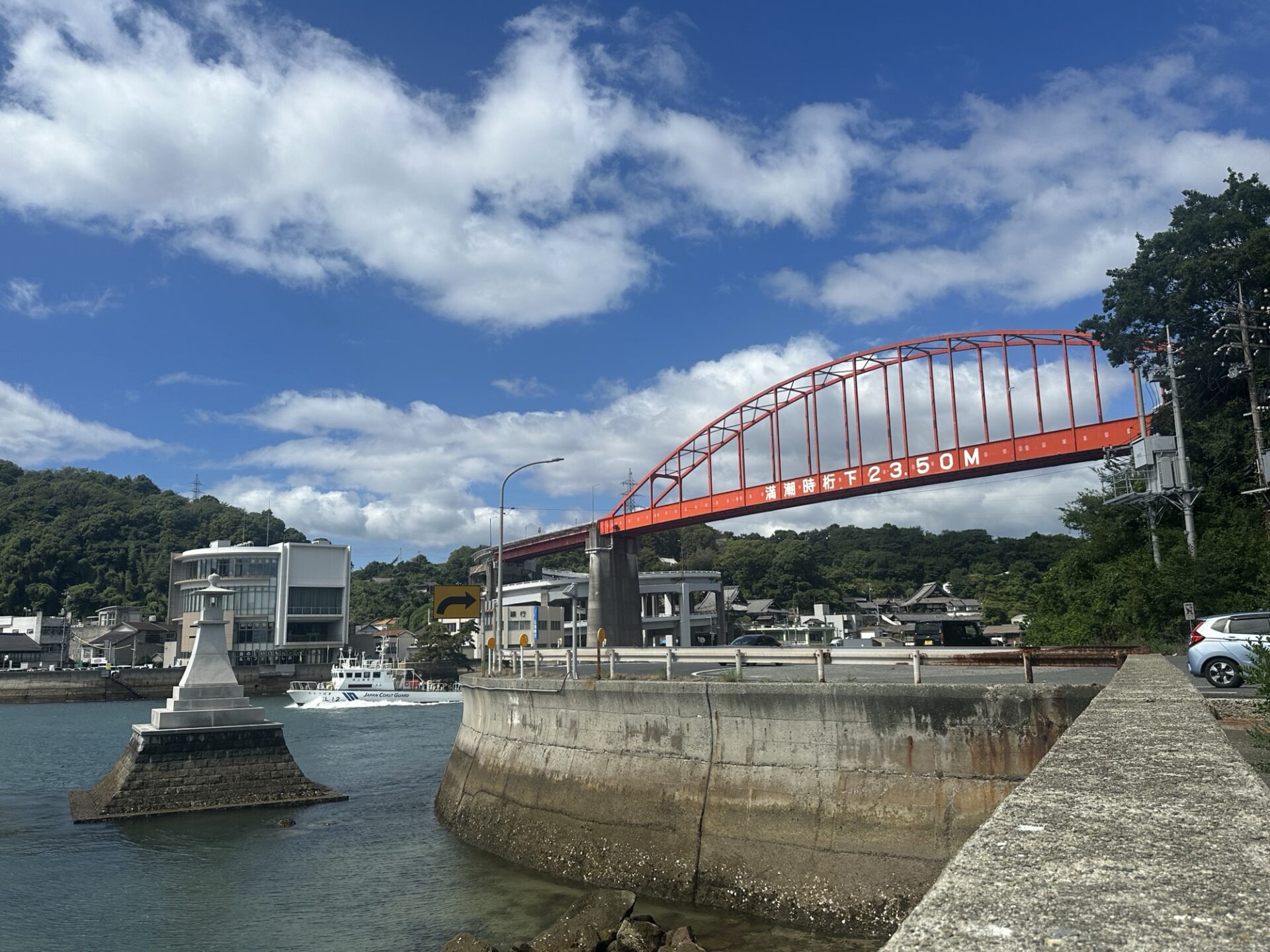
Water, bridges and green hills. The drive itself was already enjoyable.
Why is there an enormous white mountain beside the sea?
Driving along the coast, I spotted what looked like a huge white mountain.
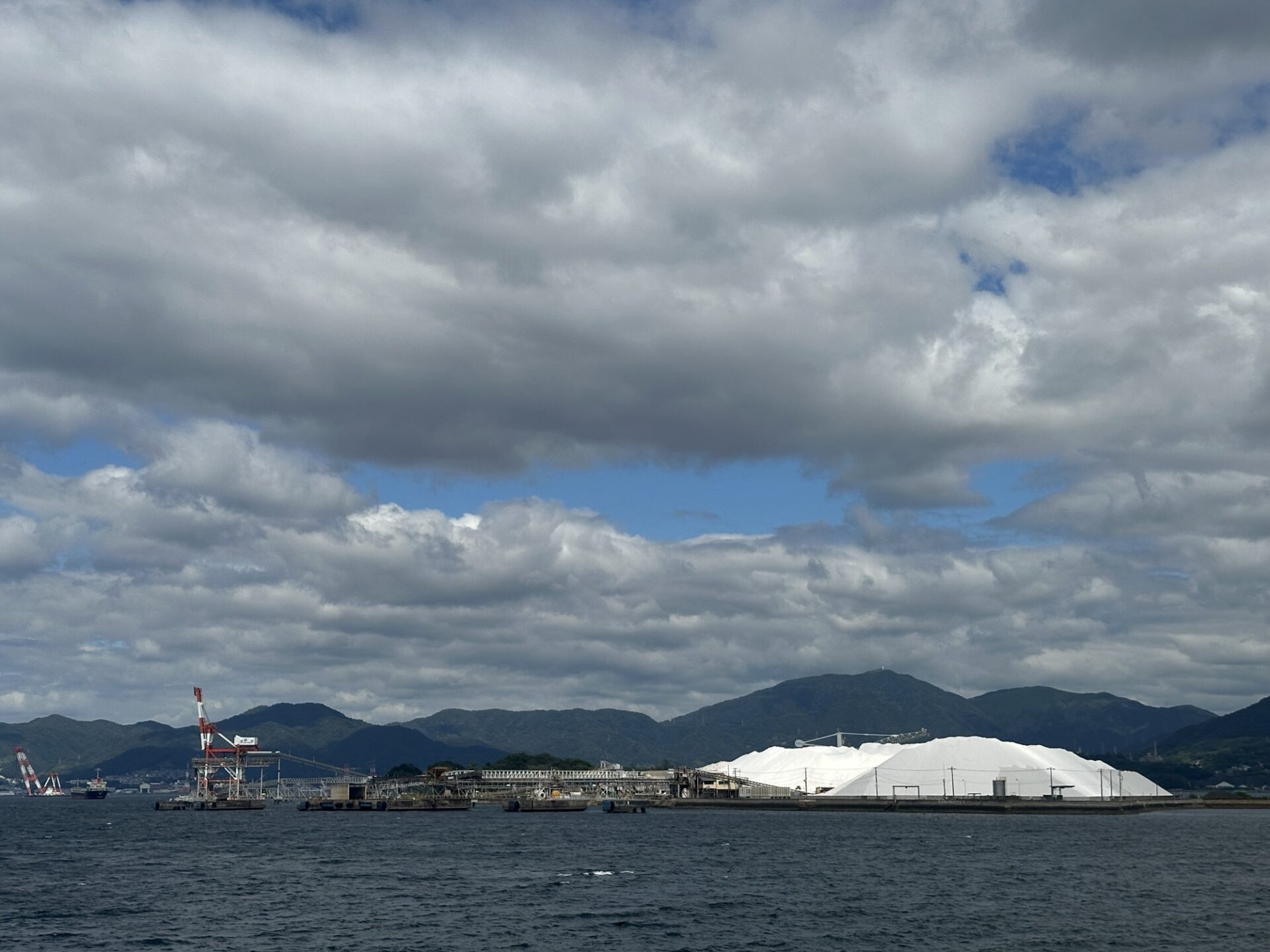
It wasn’t snow or sand. It was salt.
Mitsukojima Wharf is an important import and storage hub, handling large quantities of solar-evaporated salt, much of it shipped from overseas.
I had been driving along enjoying the sea and hills, and suddenly there was an enormous mountain of salt. These unexpected little discoveries are one of my favorite reasons to travel by car.
See the official Mitsukojima Wharf website for more about the facility.
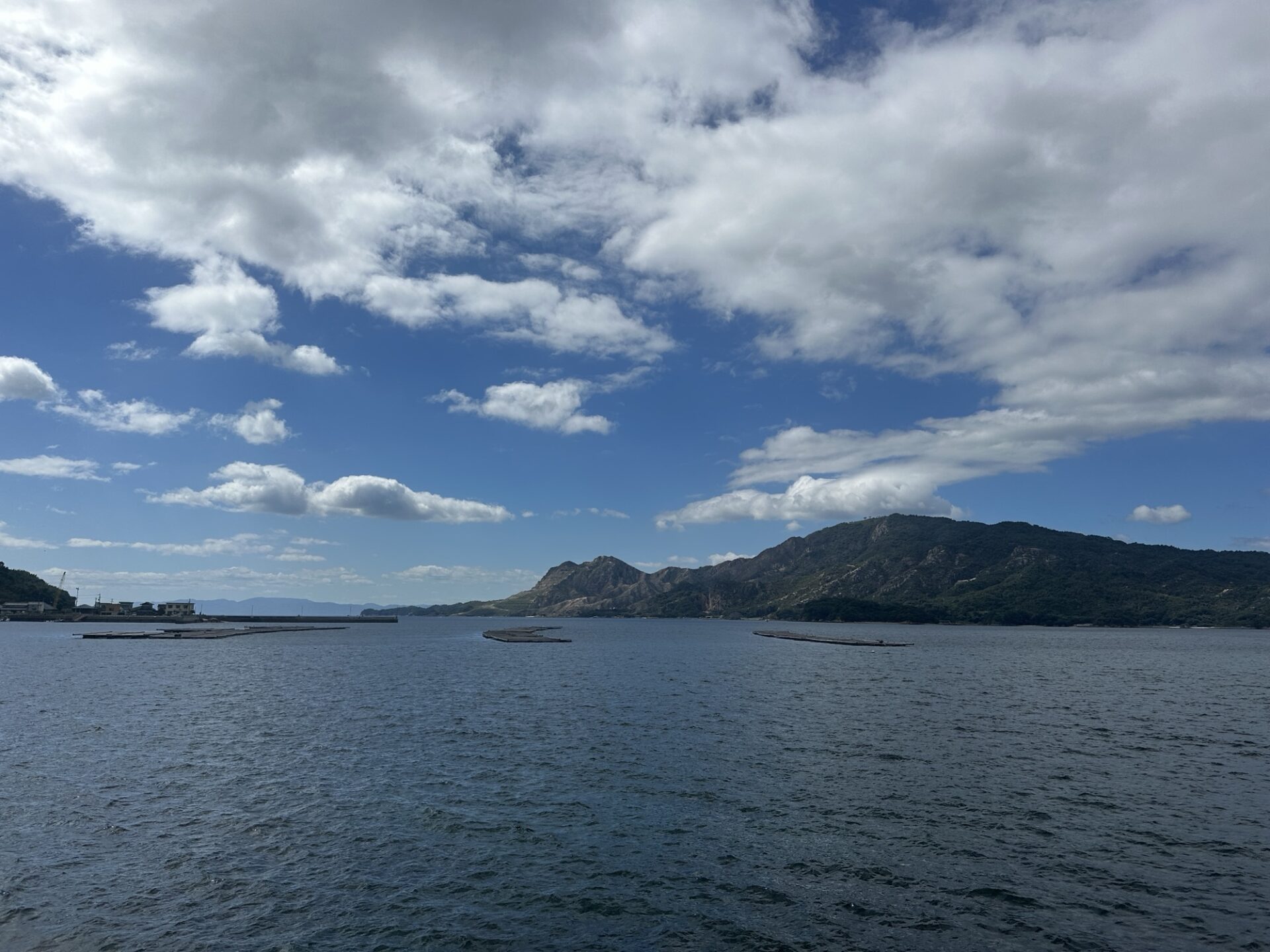
Lunch at Oshokujidokoro Kazu: fresh sashimi and a proper meal
By lunchtime I was ready for a meal. I stopped at Oshokujidokoro Kazu on Kurahashi Island.
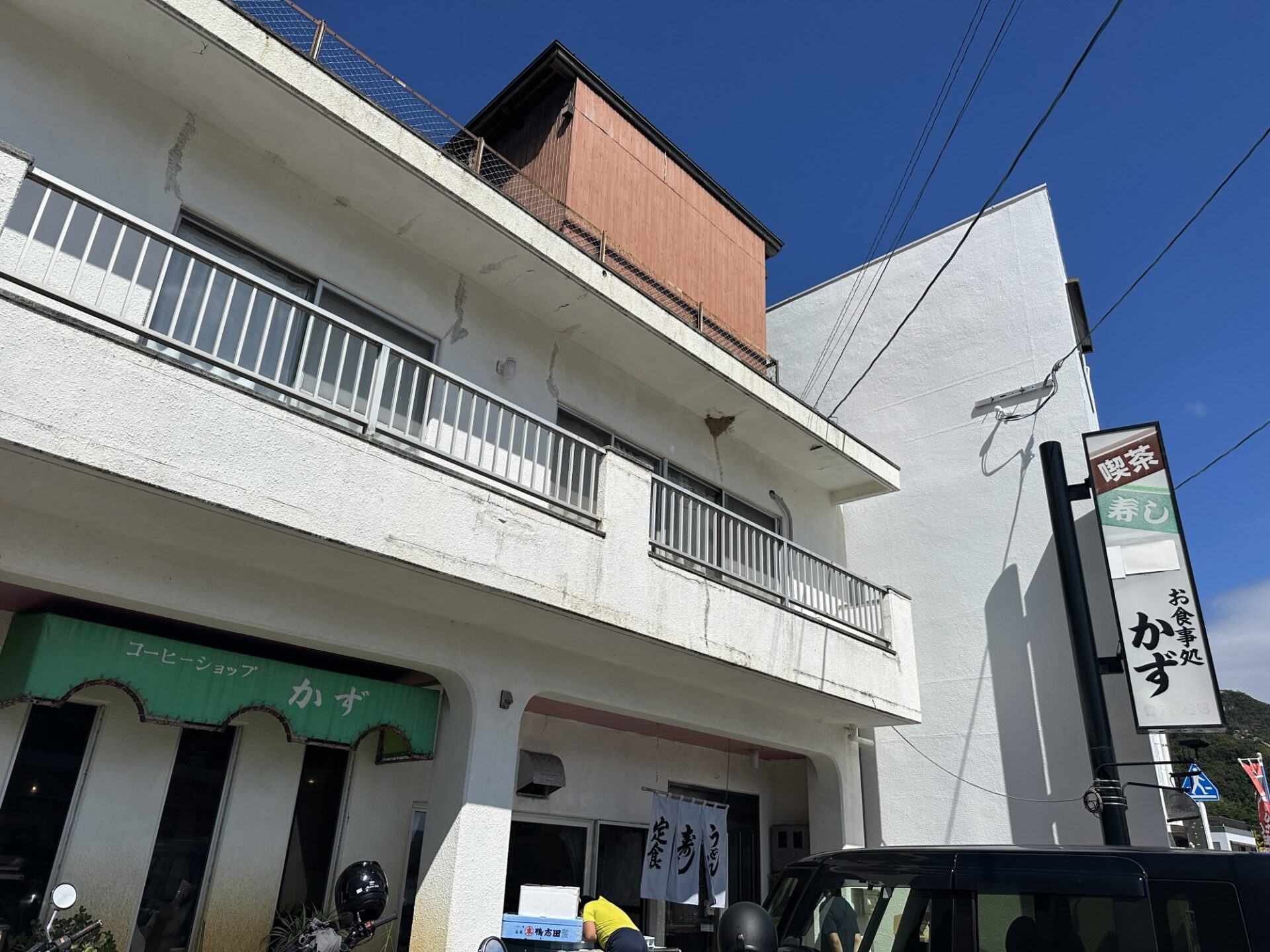
I ordered a sashimi set: a selection of raw fish, rice, miso soup and small side dishes.
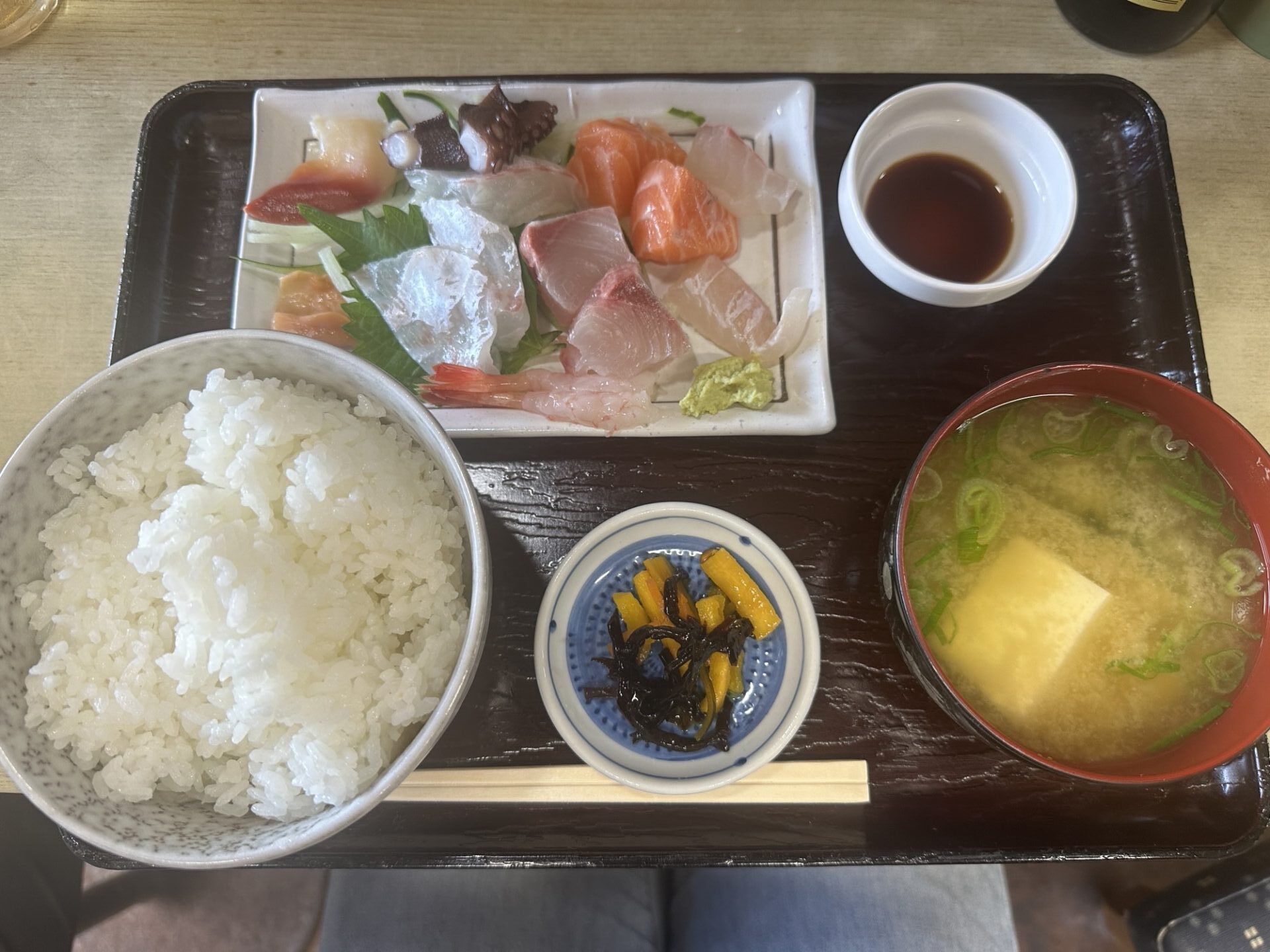
A good coastal lunch, then back out to explore the island. For opening times and current information, see Kure’s local tourism listing. This is a record of what I ate that day, not a claim about today’s menu.
Finding historic festival boats near Katsurahama
Near the beach I found some impressive wooden boats on display.
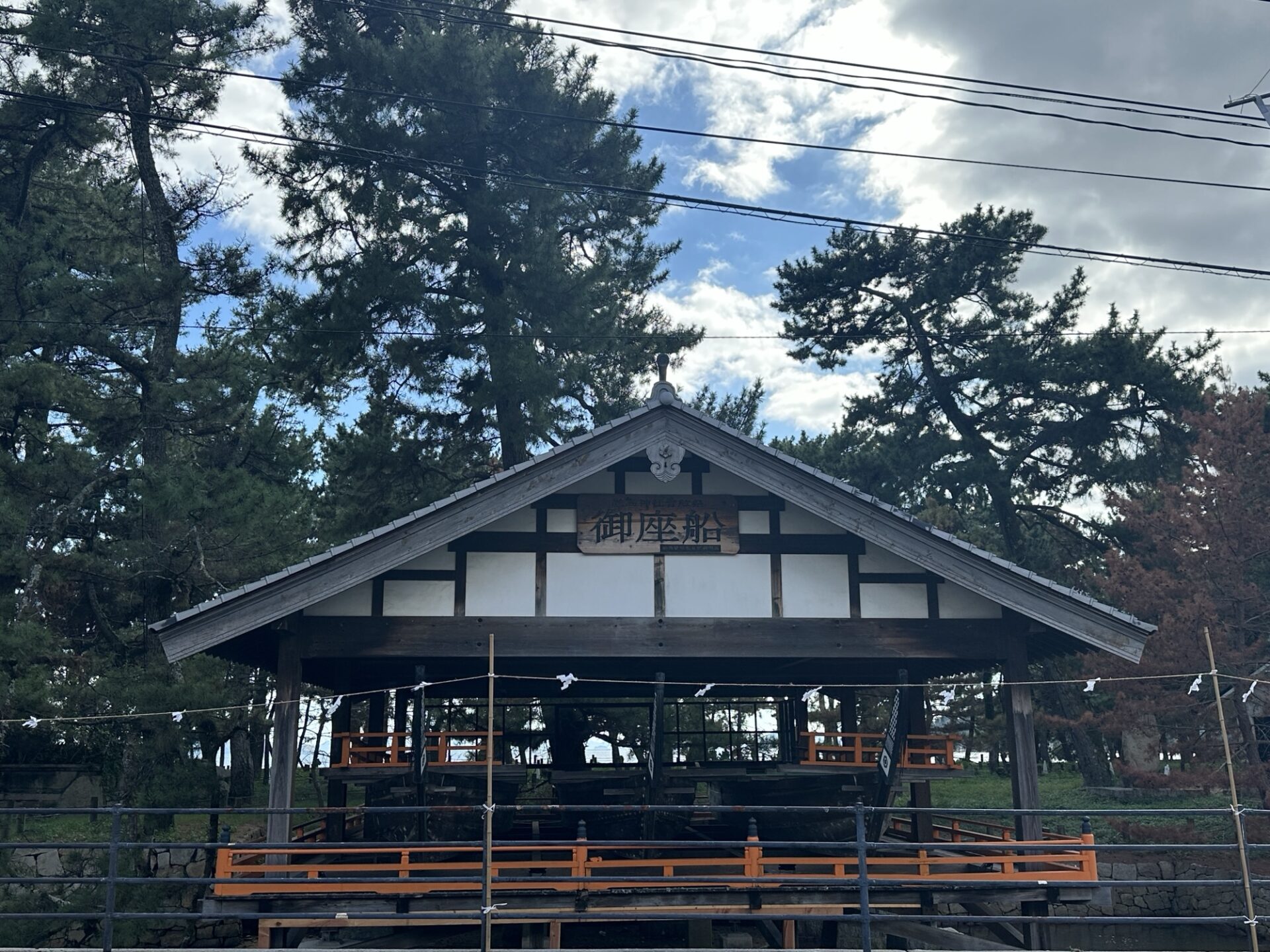
The sign explained that they were gozabune, ceremonial boats formerly used in the Kangen-sai festival at Itsukushima Shrine on Miyajima.
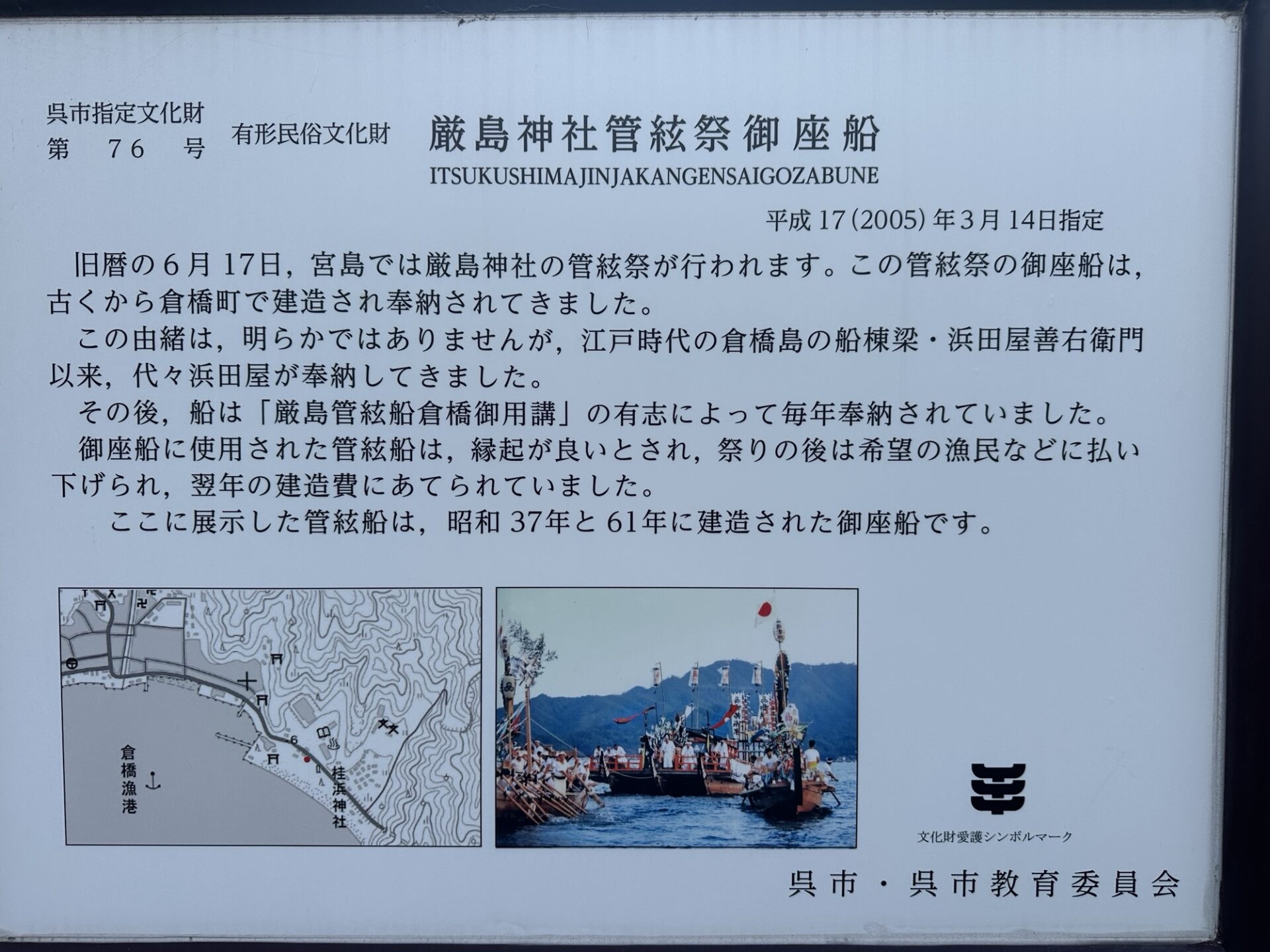
According to Kure City, Kurahashi has a long tradition of building and donating these boats for the festival. One moment I was simply enjoying a seaside drive, and the next I was learning about the island’s boat-building history.
The official Kure City cultural-property page explains the connection.
Katsurahama Beach in September
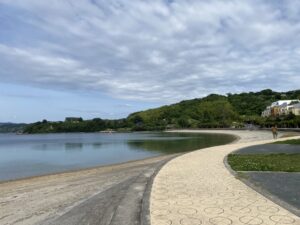
Then I reached Katsurahama Beach, which was one of the main reasons for the trip.
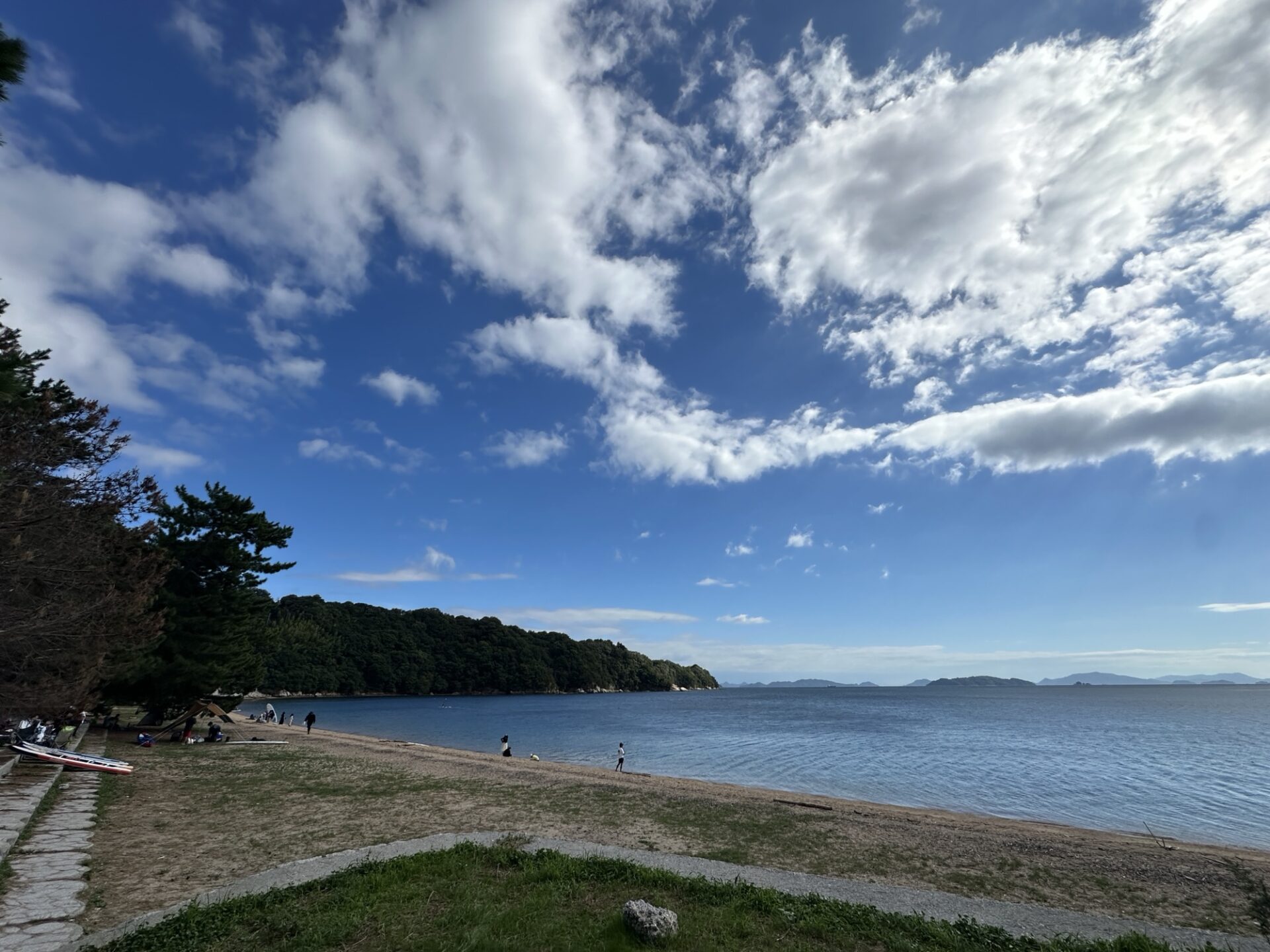
I know it’s easy to think of Japanese beaches as summer swimming destinations. But in September, simply walking beside the sea felt wonderful.
I didn’t need to compare it with any famous beach rankings. My reaction was simpler: what a beautiful place to spend a little time.
Looking into the water, I even noticed young bigfin reef squid swimming around. As someone who enjoys fishing, I get excited by little discoveries like that.
You don’t need to bring a fishing rod to enjoy seeing what’s under the surface.
See Kure’s official Katsurahama Beach information for visitor access and facilities.
Shaved ice at Kurahashi Katsurahama Onsenkan
After the beach I stopped at Kurahashi Katsurahama Onsenkan, the nearby hot-spring facility.
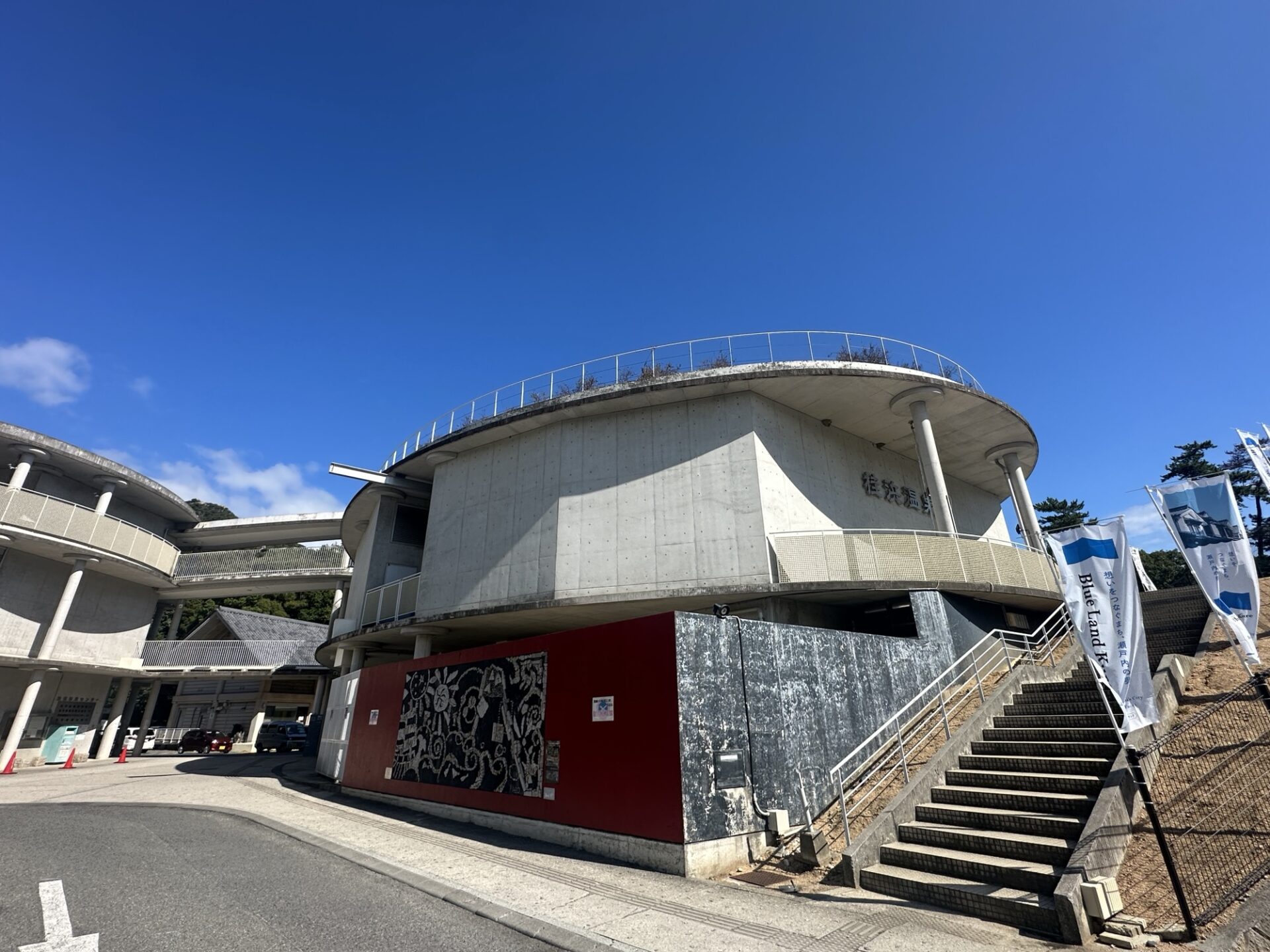
I didn’t take a bath on this visit. I took a break with shaved ice instead.
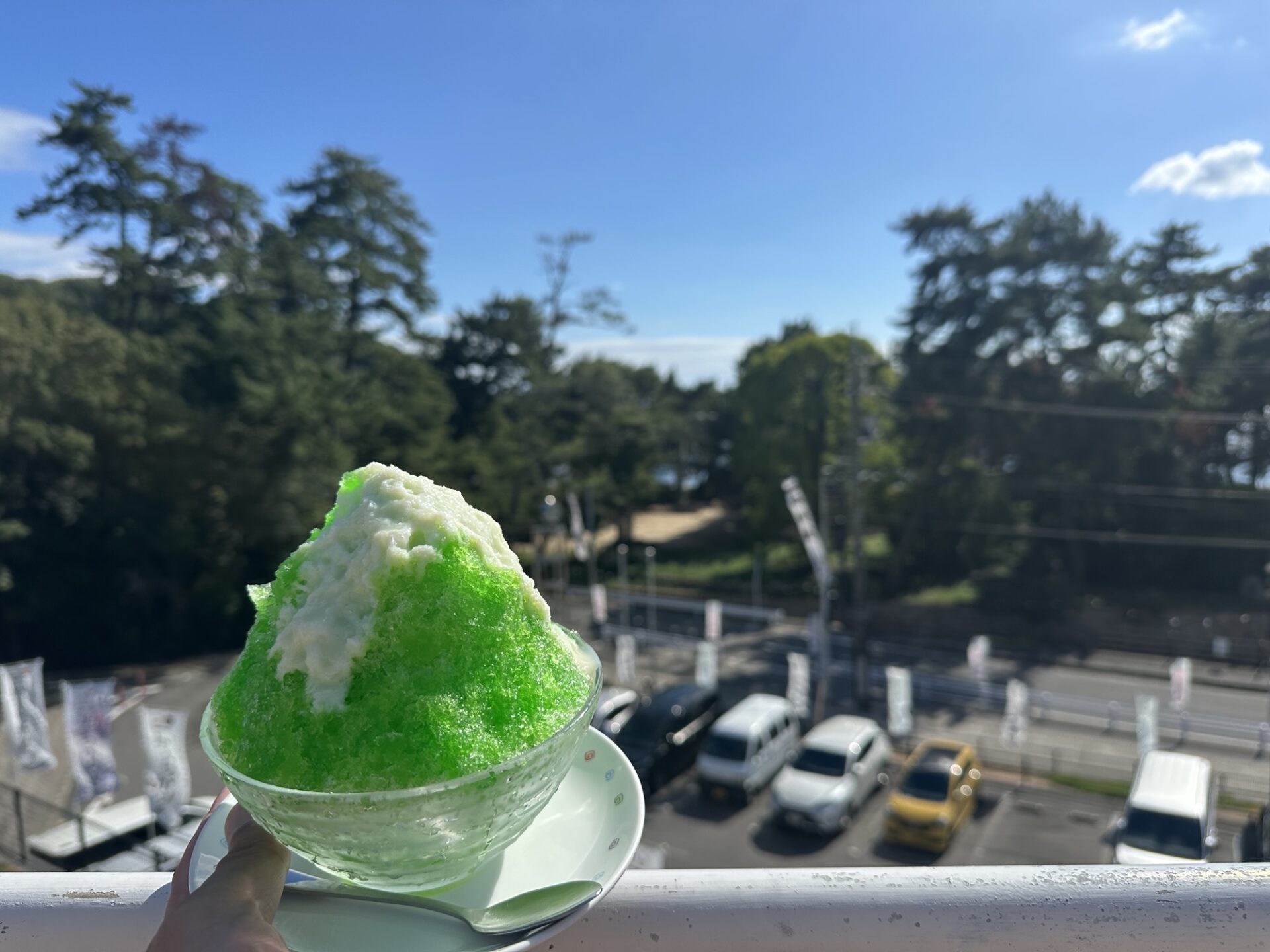
After walking in the sun, something cold was exactly what I wanted.
If you’d like to bathe, the facility’s official guide lists up-to-date hours, fees and closures. Monday is normally a closing day, with holiday exceptions.
One more stop: Kashima Bridge
I could have ended the drive at Katsurahama. But since I’d already come this far, I kept going south to Kashima Bridge.
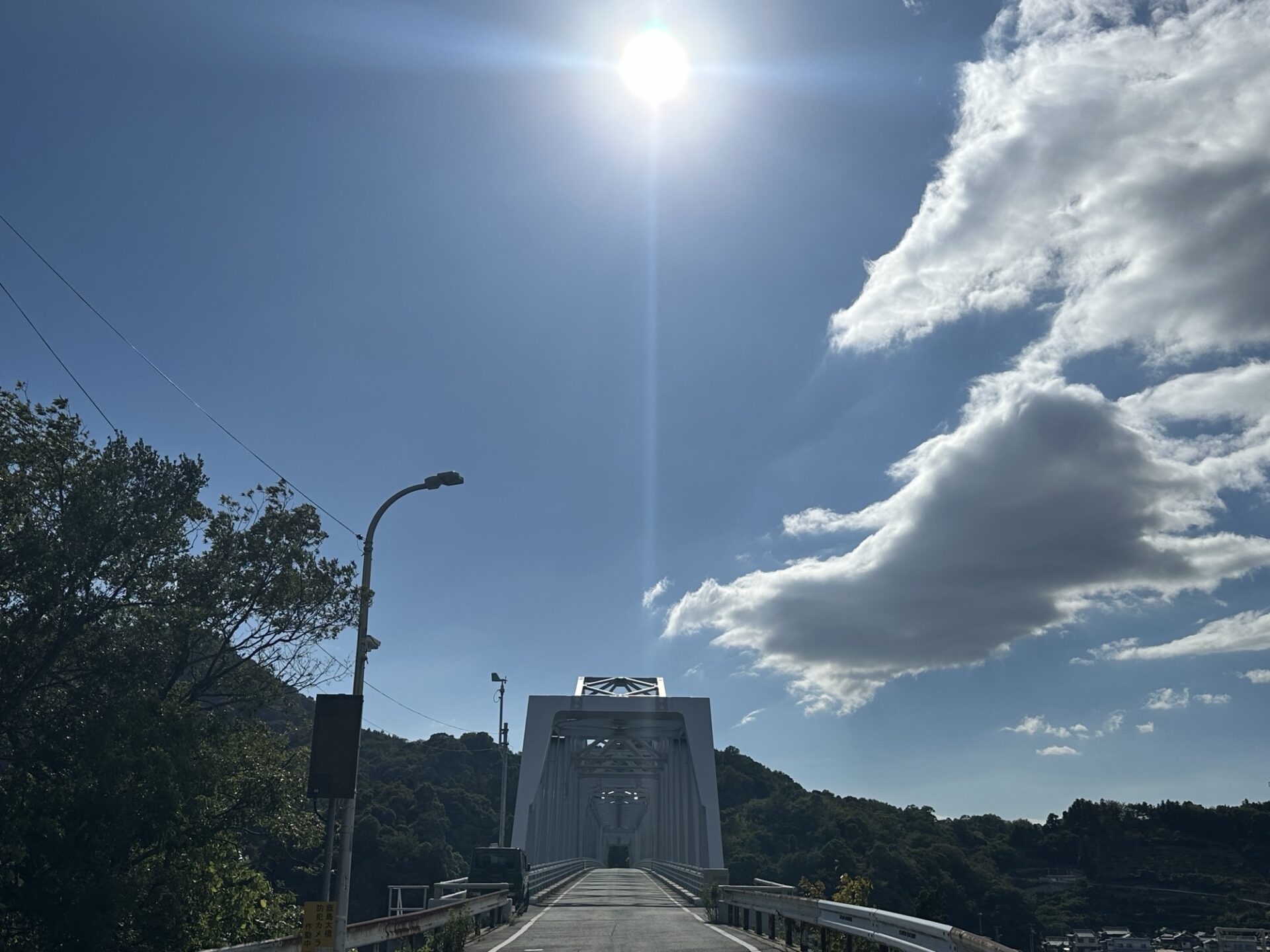
The white bridge stood out against the sky, and the surrounding islands created one more lovely stretch of coastline.
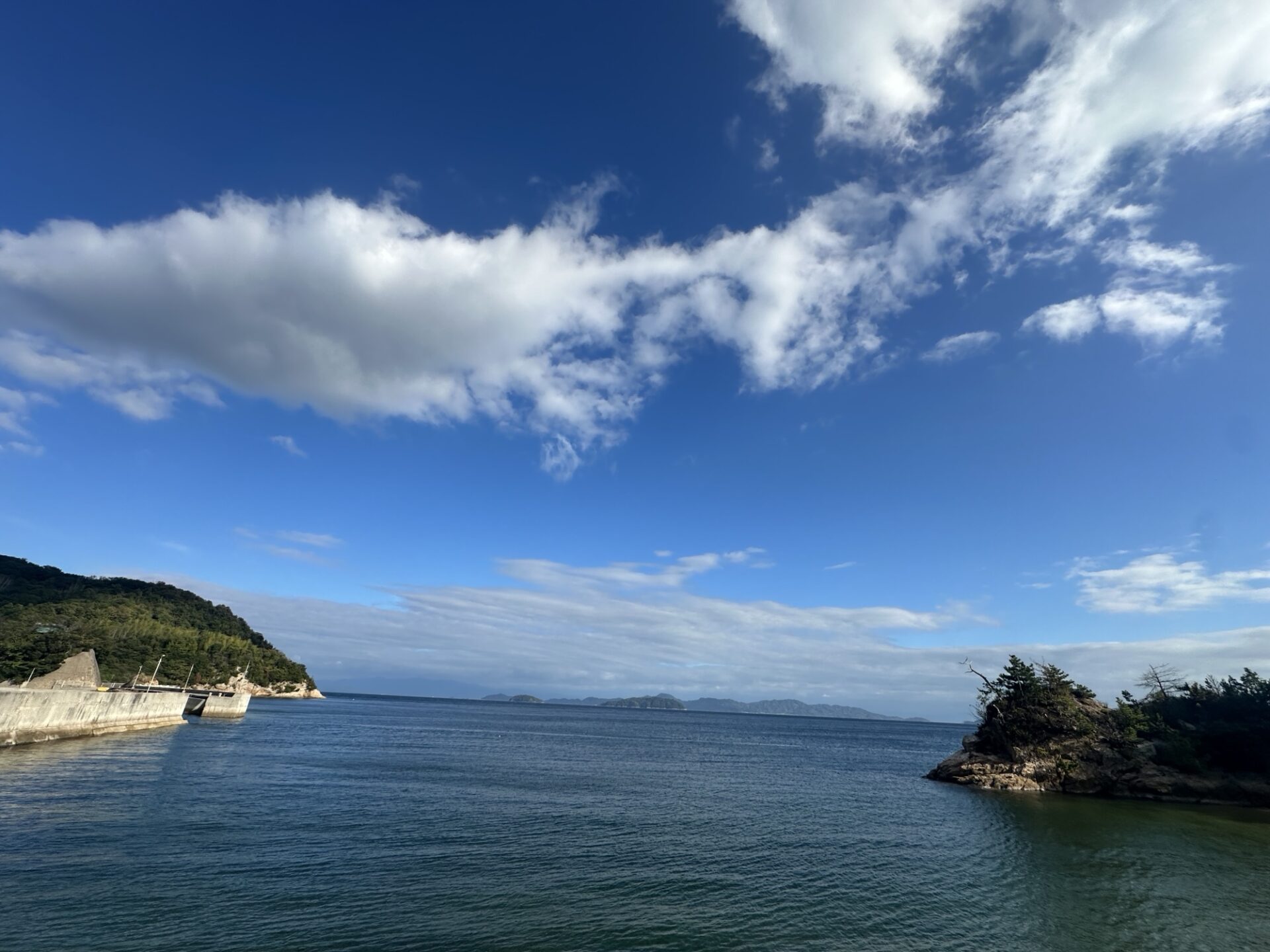
Even toward the end of the day, the sea still had something new to show me.
Can you explore Kurahashi Island without a car?
Yes, at least for part of it. There is a bus from Kure toward the Katsurahama and Onsenkan area, so you don’t need to rent a car just to visit the beach.
But if you’re hoping to make several small stops, see the salt-storage area and continue all the way toward Kashima Bridge, driving makes it easier to explore at your own pace.
For a wider Hiroshima road trip, you can compare rental cars in Japan with DiscoverCars.
Affiliate disclosure: I may receive a commission if you book through this link. Check the relevant driving documents, insurance conditions and vehicle pickup locations before reserving.
My verdict: the coast isn’t only for summer
There were no complicated plans that day. I drove toward the sea, spotted a mountain of salt, had a satisfying lunch, wandered past a piece of Miyajima’s maritime history and ended up by another bridge.
That’s all. And it was exactly enough.
If you’re based in Hiroshima and want to see somewhere quieter than the usual city attractions, a day around Kurahashi Island is a lovely option.
This article is from my firsthand September trip. Read the original Japanese version or see more articles in English Travel.



コメント