Karato Market in Shimonoseki is a dangerous place for someone who loves fish. Not dangerous in the usual sense. Dangerous to the wallet.
I walked into a market full of sushi, seafood and things I’d rarely get to try one piece at a time. Before I had eaten anything, my brain was already busy: Which one first? What’s over there? Is that really an entire conger eel on one piece of sushi?
After eating my way around, my two strongest recommendations are whole conger eel sushi (anago) and fatty tuna head meat (maguro no noten). I also found an unforgettable honeycomb soft serve—not quite for the reason you’d expect.
Here’s what I tasted, what caught my eye, and how to avoid showing up on a day when the famous weekend sushi stalls aren’t operating.
Visit note: The tastes and photographs are from our own market visits. The weekend event schedule was checked on the market’s official calendar in November 2026; individual stall availability and prices can change.
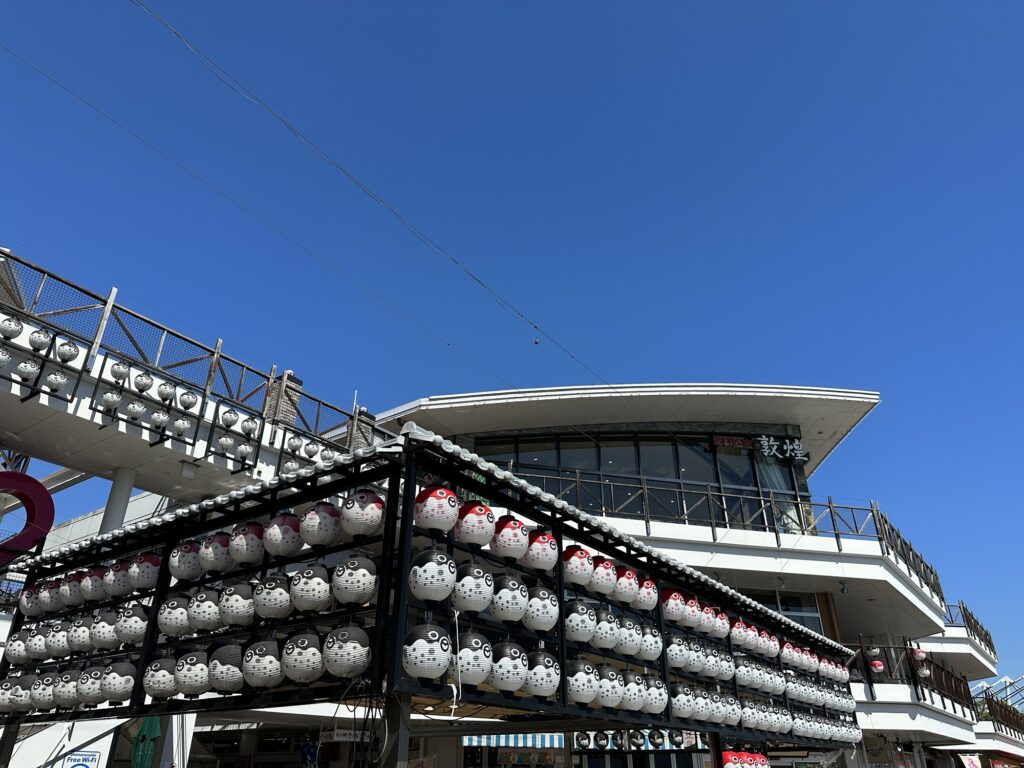
The short answer: what should you eat at Karato Market?
Start with conger eel and tuna head meat. Then take a lap around the stalls before spending your whole budget. The fun is choosing a few different pieces rather than ordering one fixed sushi set.
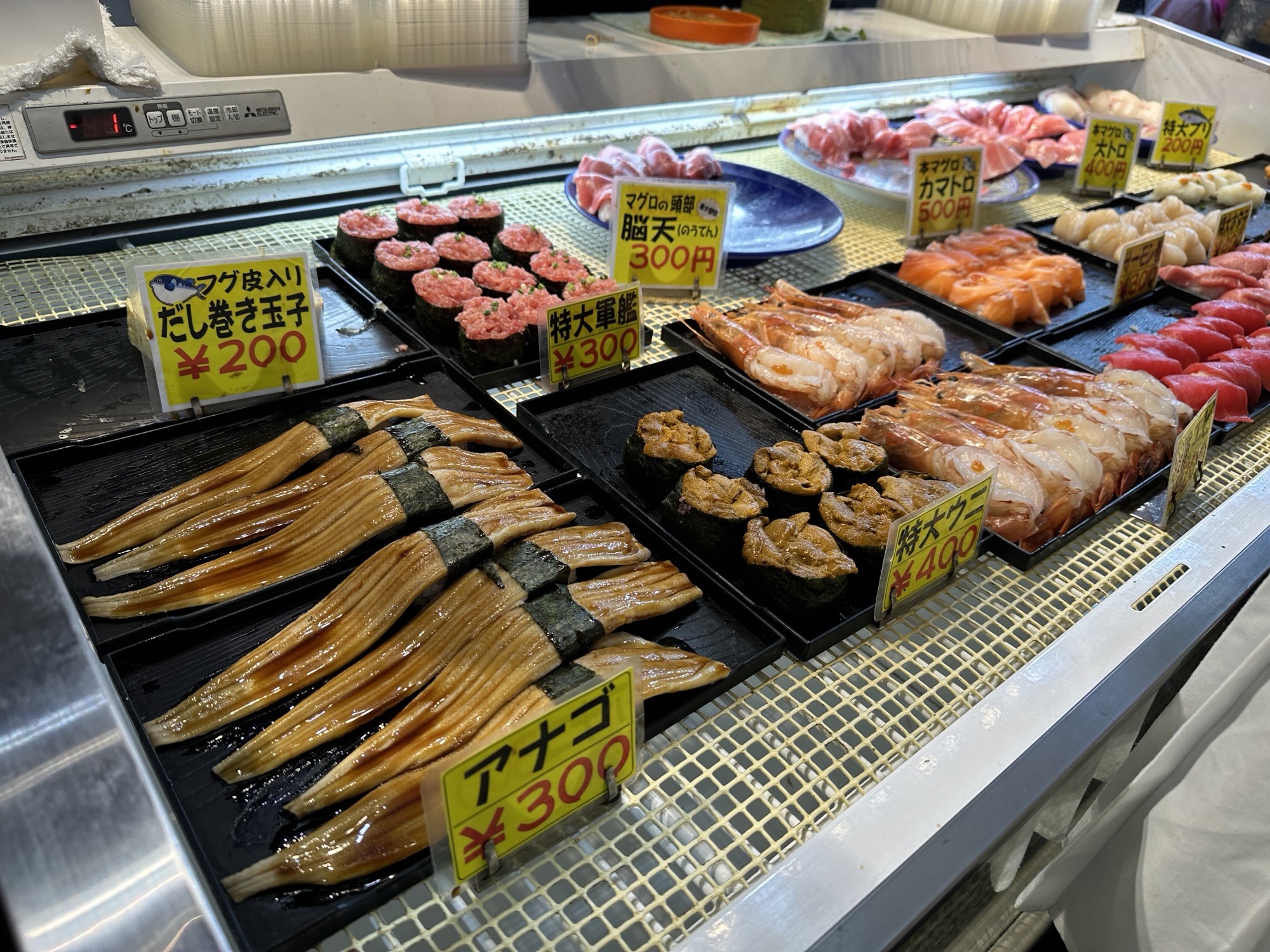
If you’re used to restaurant sushi, the scene is a little different. Seafood is lined up in front of you, and the choice itself becomes part of lunch.
1. Whole conger eel sushi: the one I would buy again
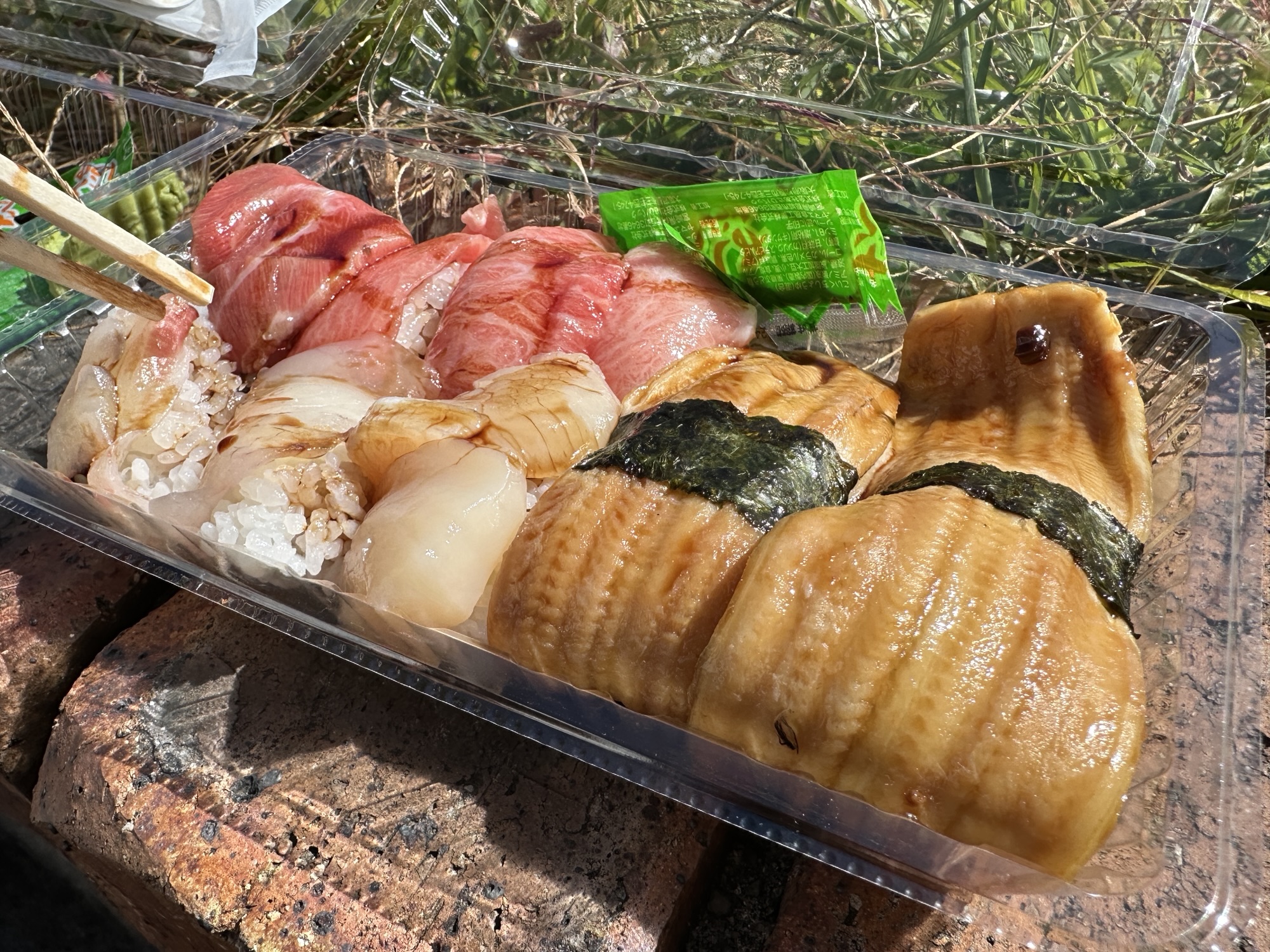
The anago was impossible to ignore. Most sushi toppings fit neatly over their rice. This conger eel looked as if it had decided not to follow that rule.
A whole long piece of fish laid across the sushi, with a size that was a joke in itself. I saw it and knew I wanted one. Actually, I wanted two.
And it wasn’t just about getting an amusing picture. It was filling and genuinely delicious. If I visit Karato Market again, this is the piece I’ll look for first.
2. Tuna head meat: fatty, soft and unmistakably tuna
The other surprise was maguro no noten, a cut from around the top of a tuna’s head. Don’t let the name worry you: it isn’t brain. It’s meat.
The texture was meltingly rich, with all that wonderful tuna fat. But the flavor wasn’t simply sweet oiliness. Underneath it I could still taste a deep, distinct tuna character.
In our sushi photo above, the head meat appears near the upper-left side. It’s worth asking for when you see it on offer—though, as with everything here, a particular cut is never guaranteed every day.
3. One piece of high-end grouper felt like an adventure
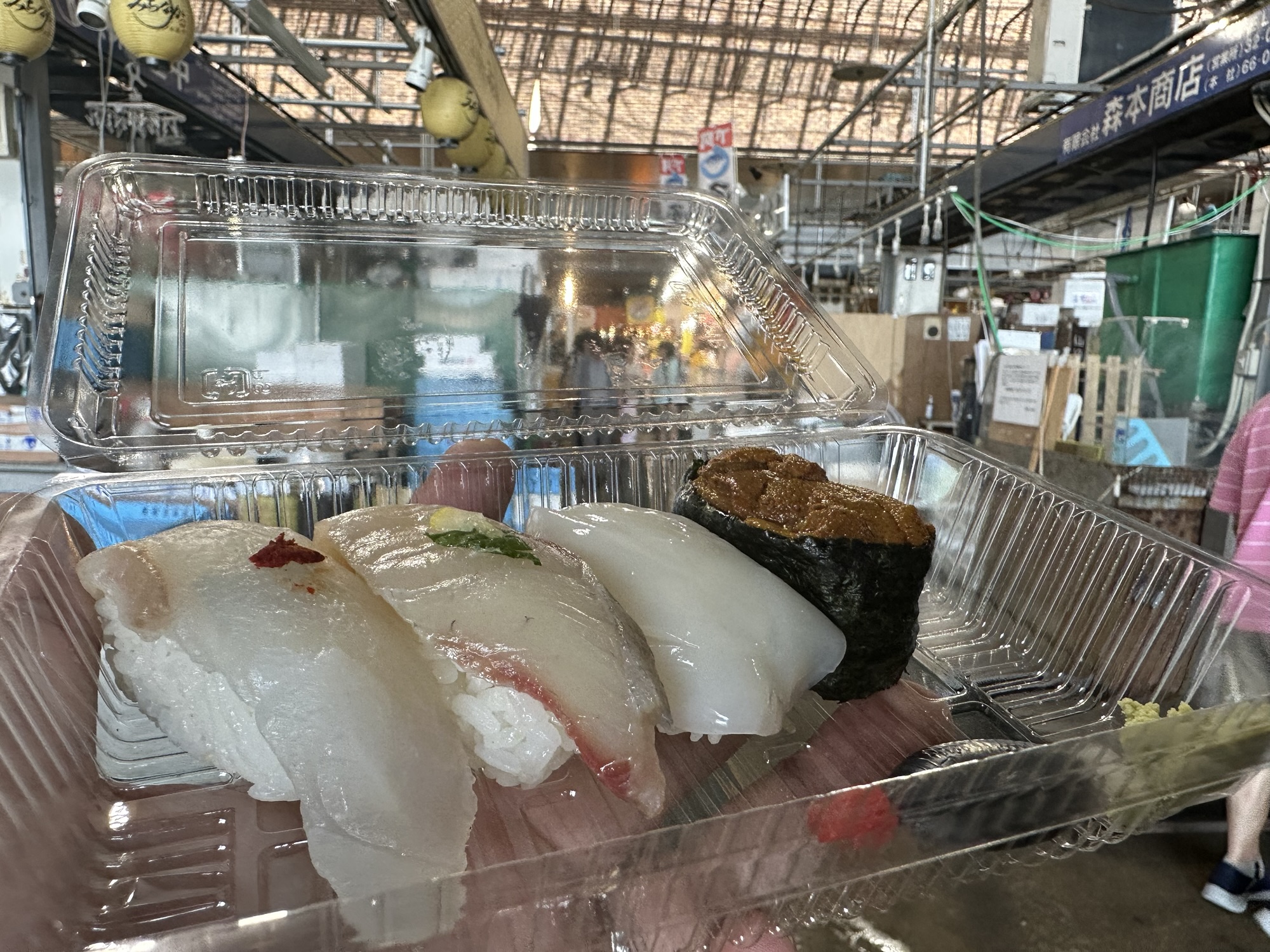
I also chose a piece of kue, a high-value grouper in Japan. Ordering this fish as a whole dish can be a serious commitment. One piece of sushi? That’s much easier to say yes to.
This is my favorite thing about Karato Market. You’re not locked into one restaurant’s course menu. You can take a little adventure through the fish counter, one small decision at a time.
Keep walking: there is a lot more than sushi
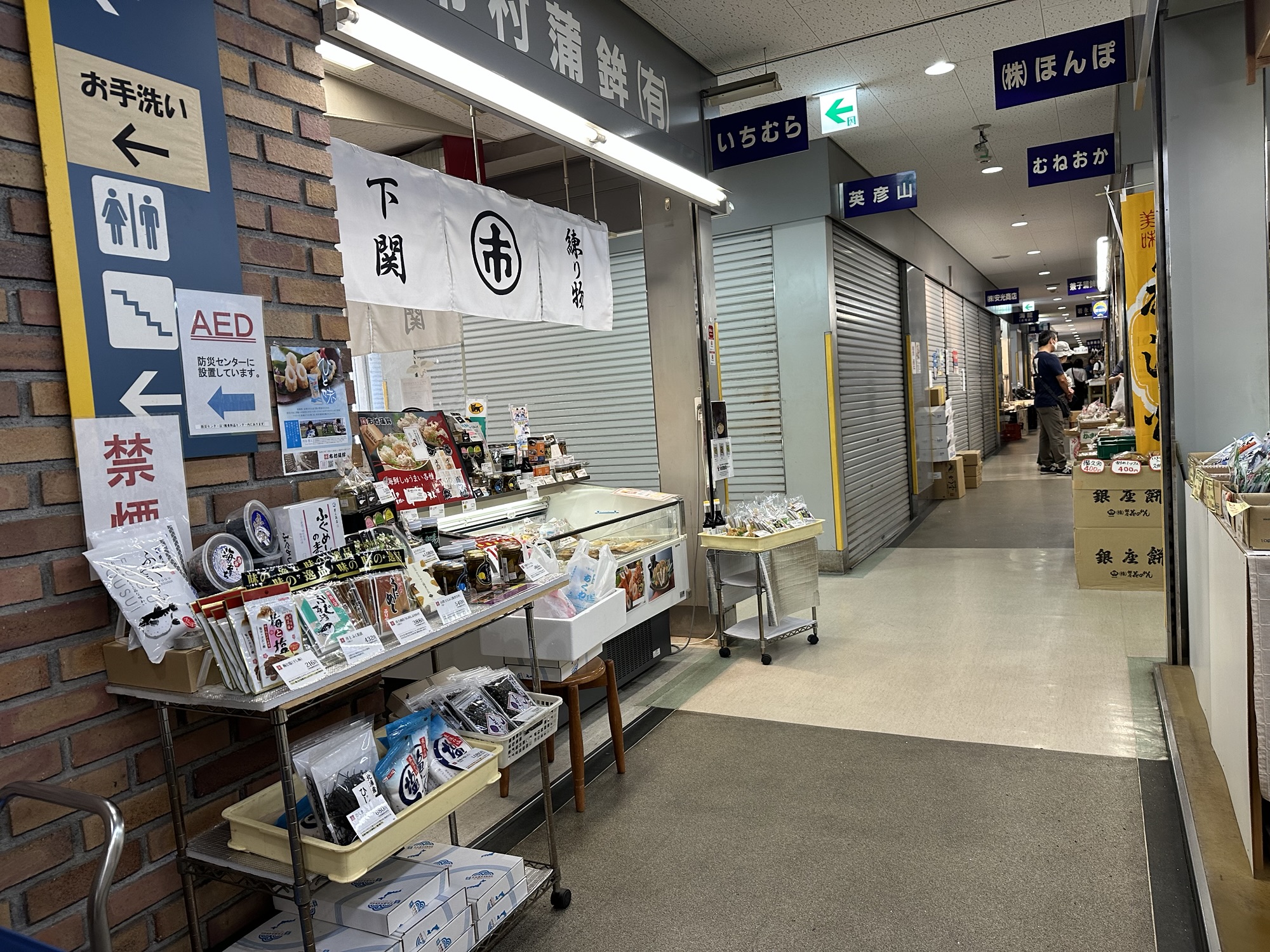
After finding the sushi I wanted, I took another look around. The displays kept distracting me.
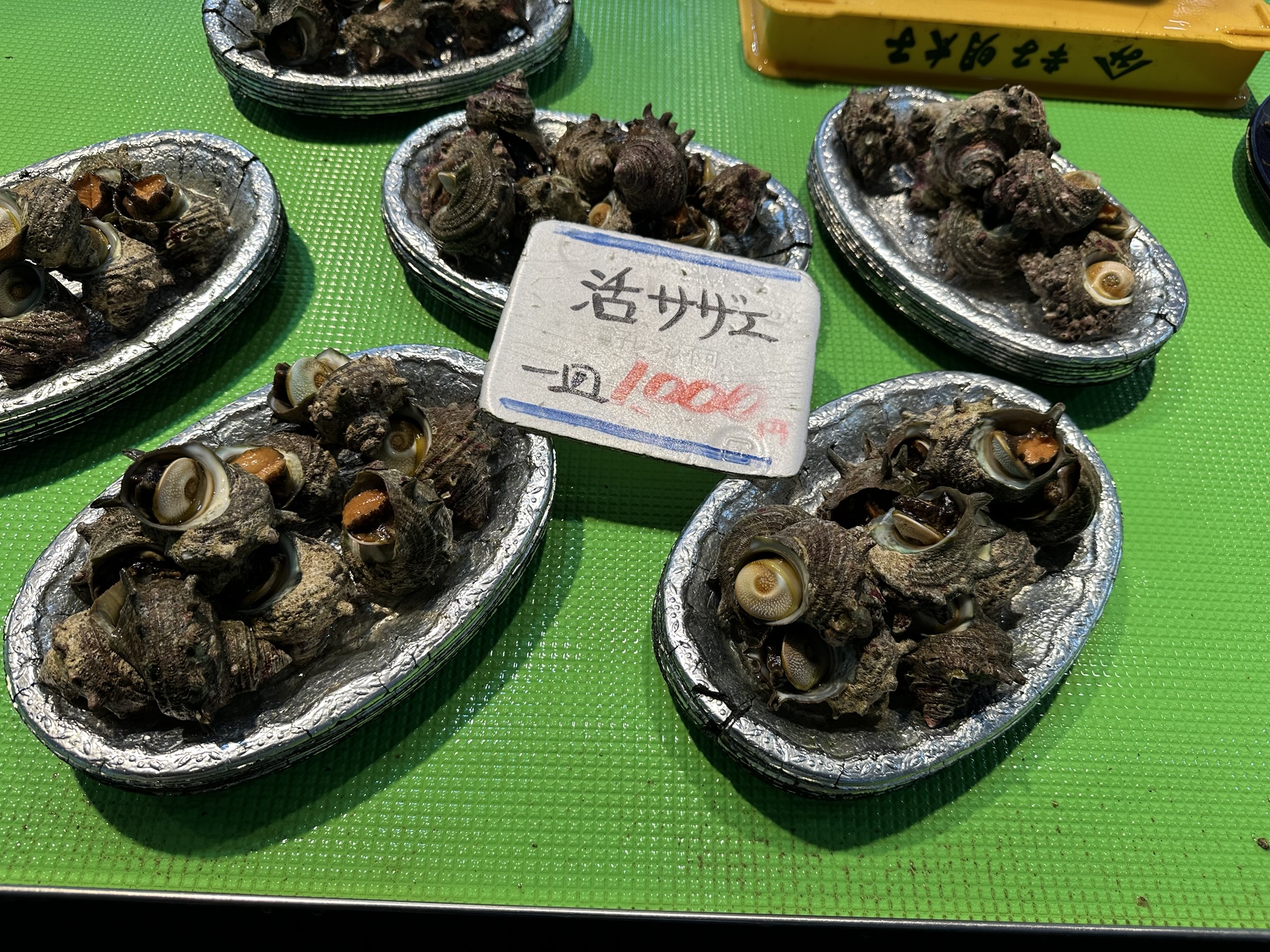
Live sazae (turban shells), all lined up. Then abalone. Just when I thought I was finished looking, another stall had something different.
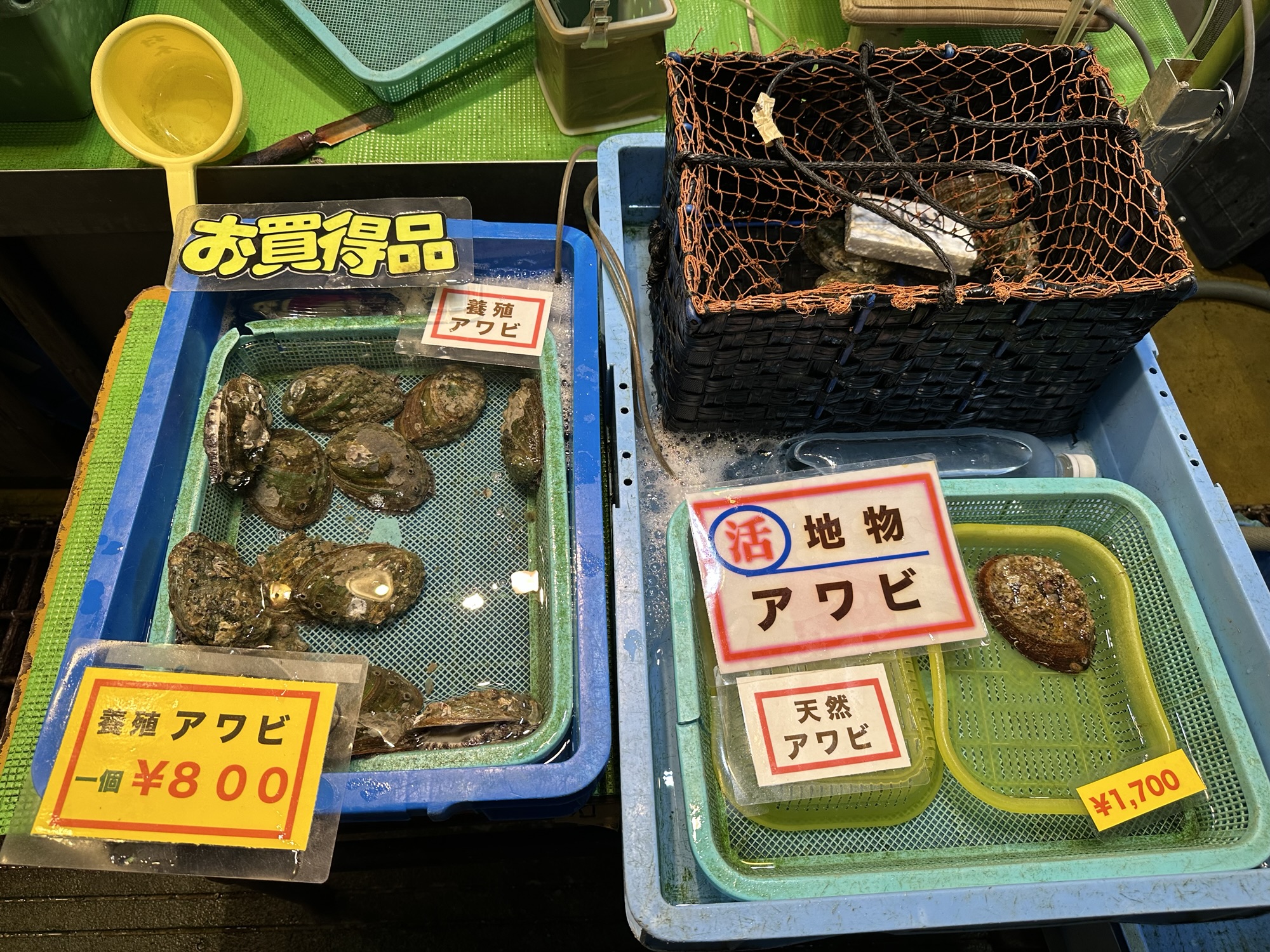
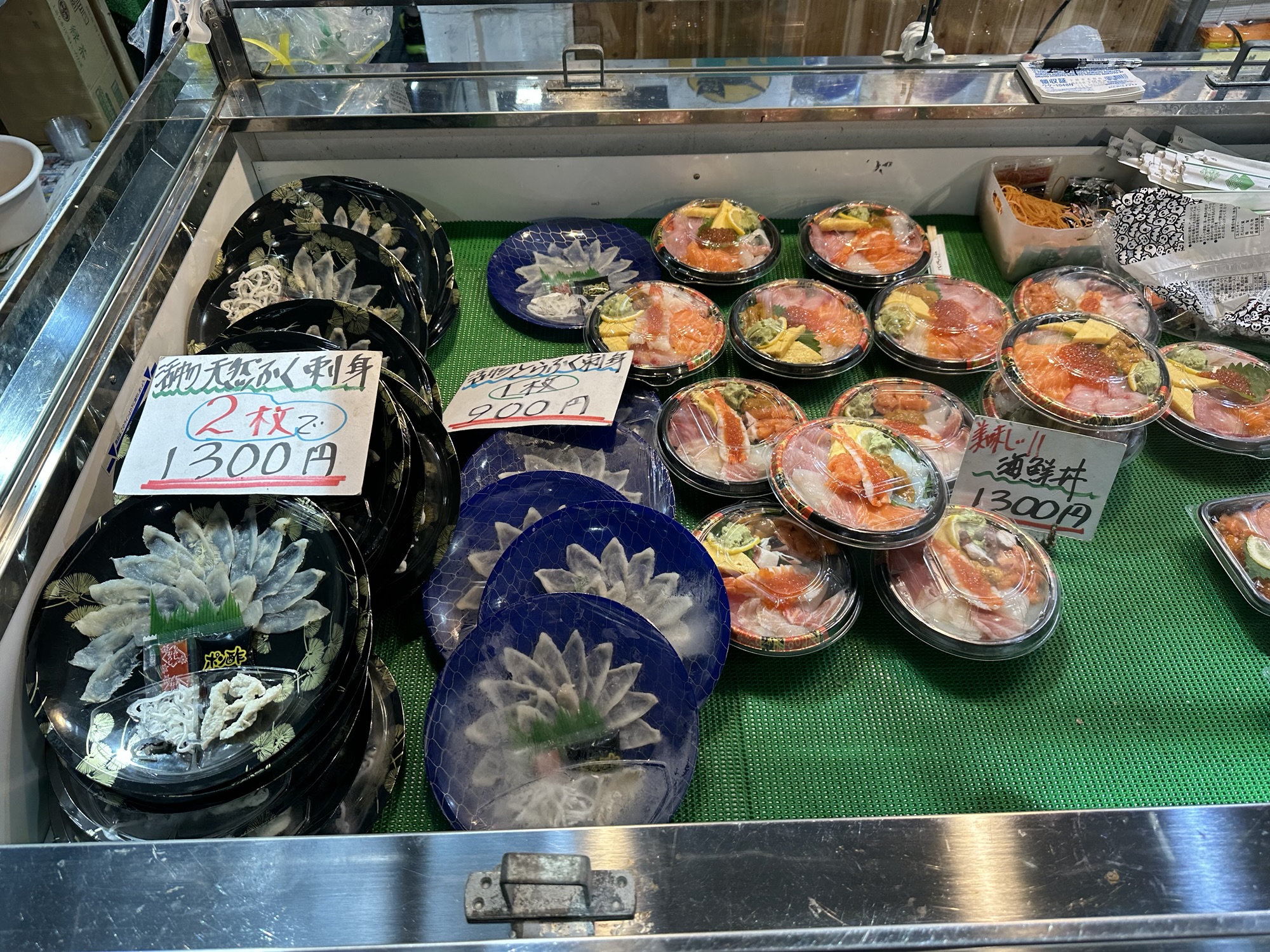
There were fugu dishes and seafood bowls too. Shimonoseki is famous for fugu—pufferfish—and seeing it alongside so many other kinds of seafood is part of the market’s charm.
I didn’t buy every item in these photographs. I enjoyed looking at them, and that’s different from saying I tasted them all. But as someone who fishes, simply walking between those displays had me grinning.
Another good piece of advice: look around once before buying everything. There may be something more interesting waiting at the next counter.
We took our haul outside to eat
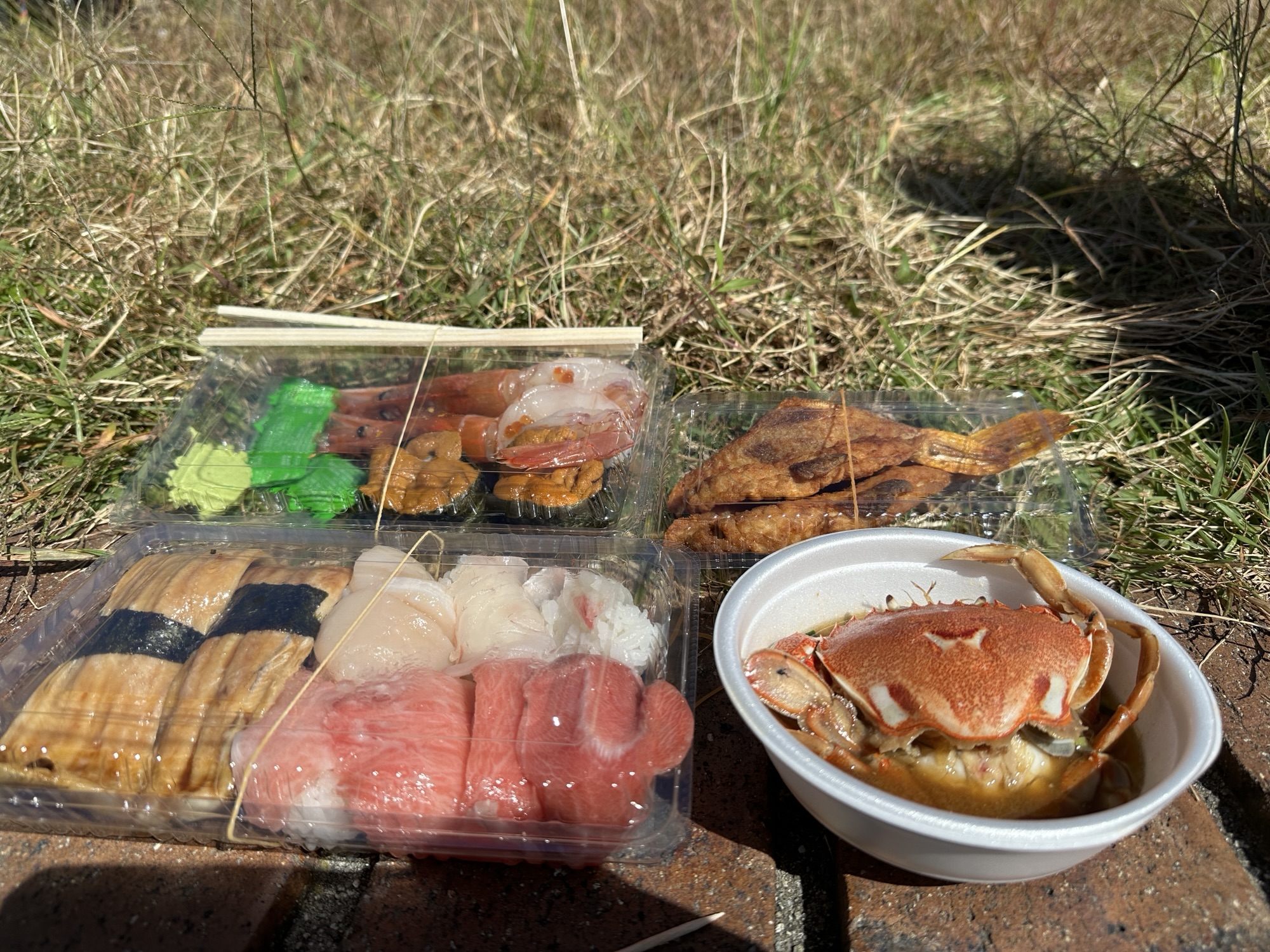
Once we’d gathered our sushi, we headed outside. We spread out what we’d bought near the water and made our own seafood lunch.
Anago, tuna head meat, a little kue and the other pieces we’d picked. Every part of it was our own choice. It was a much more memorable meal than simply pointing at one printed menu.
The Kanmon Strait is close by, so in good weather there’s a pleasant open-air atmosphere. Take your rubbish away and follow the market’s current eating-area rules.
Dessert: a honeycomb soft serve that taught me something
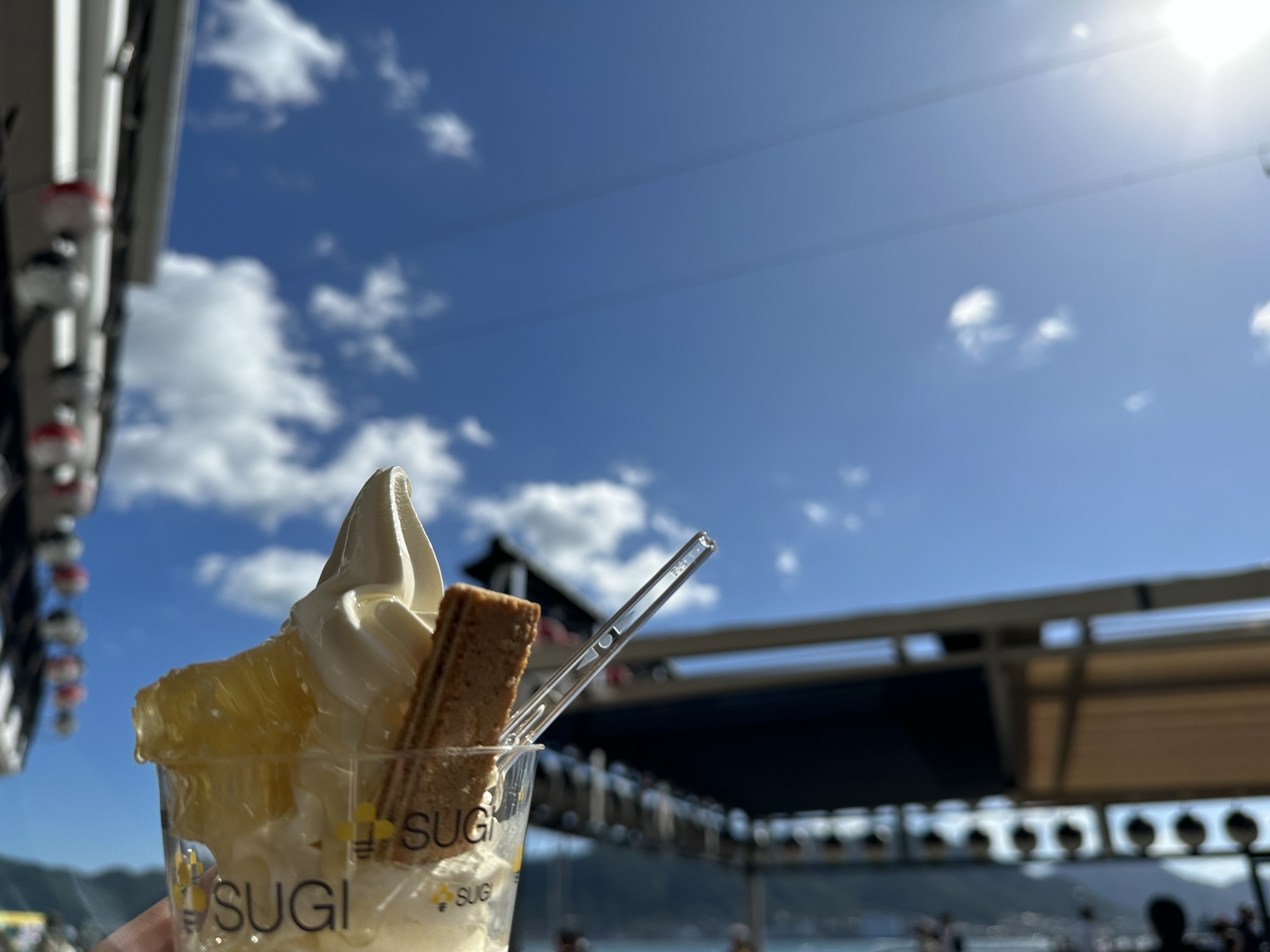
After all that seafood, I found soft serve topped with an actual piece of honeycomb. Honey after sushi sounded like an excellent idea.
And it was. Sweet, rich, and a lovely finish to the meal.
But the part I remember most came a little later. Wait. The honeycomb doesn’t melt?
The waxy comb stayed in my mouth as I chewed, with a texture a little like candle wax. I’d gone there for ice cream, and somehow finished the day thinking about the structure of a beehive.
That’s a pretty good holiday, in my book.
When is the famous Karato Market sushi event?
This matters more than you might expect. The lively stalls selling prepared sushi and seafood are part of Iki-iki Bakan-gai, a weekend and holiday food event. The seafood wholesale market and this dining event have different operating schedules.
According to the official Karato Market event calendar, the current standard hours are:
| Days | Dining event hours |
|---|---|
| Friday and Saturday | 8:00 a.m.–3:00 p.m. |
| Sunday and public holidays | 7:00 a.m.–3:00 p.m. |
| Monday–Thursday | Normally no Bakan-gai dining event (special dates can differ) |
Stalls can open or close earlier according to what seafood is available, and holiday periods can use special schedules. Check the specific date on the official calendar before traveling for the kind of sushi shown in my photographs.
Don’t assume that a weekday visit to the ordinary market will offer the same prepared-sushi experience.
How to get to Karato Market and where to park
Karato Market is on the waterfront in Shimonoseki, Yamaguchi Prefecture. The official city information lists it at 5-50 Karatocho.
The market is accessible by bus from JR Shimonoseki Station; a car isn’t essential if this is your only stop. We came as part of a wider Yamaguchi drive.
When driving, I prefer parking around the Kaikyokan aquarium side rather than insisting on the closest possible space next to the market. It’s an easy walk and can make the next sightseeing stop simpler. Always check posted prices, hours and availability on the day.
The market’s official guide links to nearby parking information. The Shimonoseki city page also covers access.
What can you do after lunch?
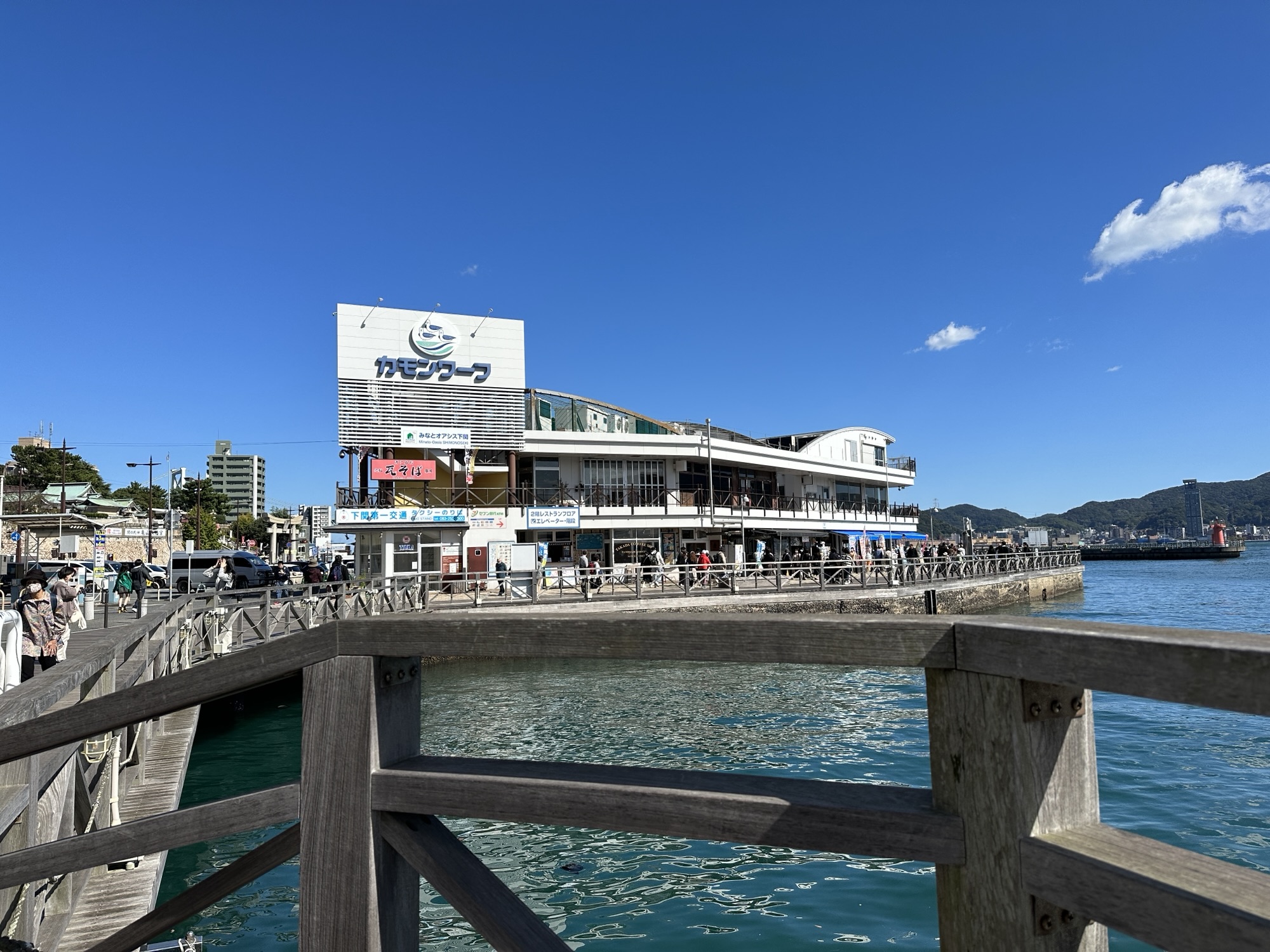
We walked around the waterfront near Kamon Wharf and included Kaikyokan aquarium on our wider trip. The market and aquarium are close enough to pair without another long drive.
If you’re planning a western Japan coastal trip, there’s also our English Yamaguchi road-trip itinerary. That is where a rental car may make sense for reaching several far-apart destinations—not for walking around Karato Market itself.
Would I go back?
Definitely. I don’t need the market to provide some extravagant luxury meal. I want to look at the counters, choose a few good things and eat them outside by the sea.
Next time I’ll start with that giant anago again. Then the tuna head meat. After that, who knows? The next unexpected fish is probably around the corner.
My original Japanese Karato Market article has the visit photographs and more of my fish-obsessed rambling.


コメント